












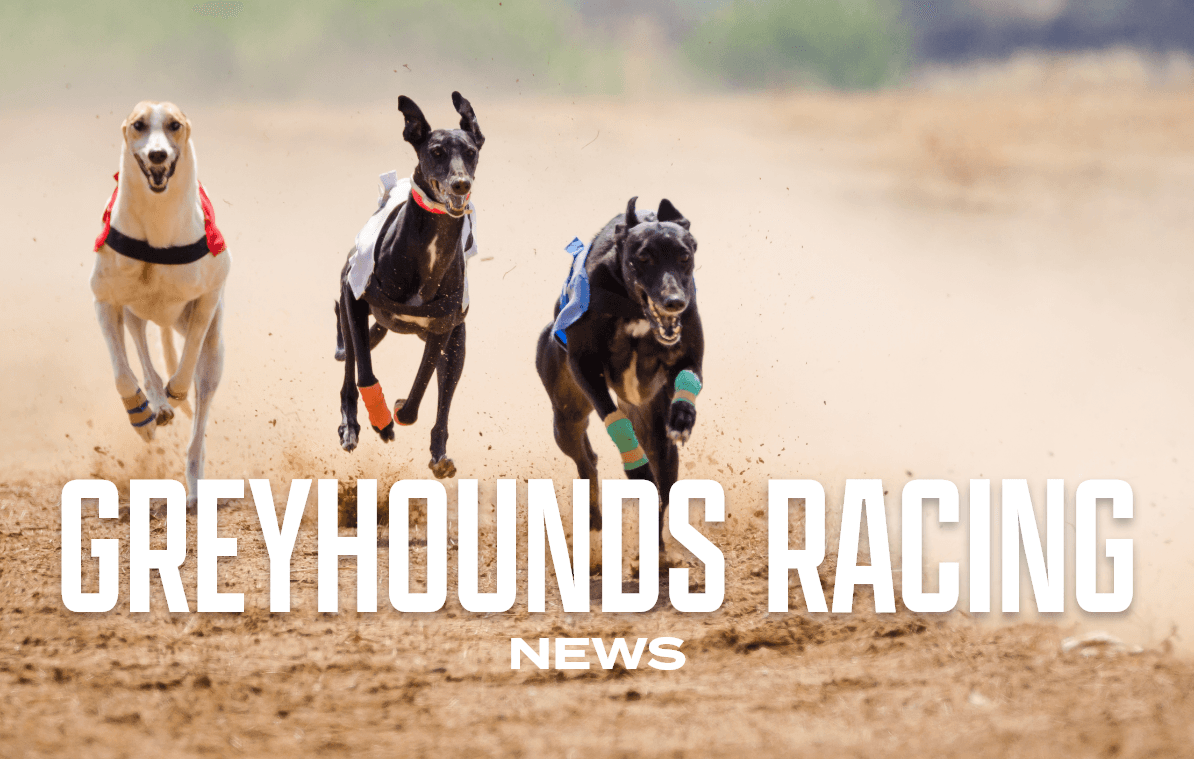
Greyhound Racing South Australia (GRSA) is facing a major industry crisis after more than 30 trainers threatened to boycott upcoming races in protest over the departure of two key animal re-homing staff members. The unprecedented action could leave the state’s premier racing body unable to fill racing slots and financially exposed to betting companies if fields remain incomplete.
The boycott threat was formalised in a strongly worded letter from trainers, obtained by the ABC, which highlighted frustrations surrounding the sudden exits of long-serving welfare staff Jemma Nicholson and Tara Ramsey. Both women worked with Greyhounds As Pets SA (GAP), a re-homing initiative run under GRSA, for over a decade combined. Trainers allege their departure was linked to “unjust and inappropriate treatment” within the organisation.
Trainers Take a Stand
In an email dated September 8, the trainers stated they were “left with no alternative but to signal our intention for potential strike action” after Nicholson and Ramsey tendered their resignations. The message called for their immediate reinstatement and demanded the removal of GRSA chief operating officer Ben Kavanagh, accusing him of “unacceptable” professional conduct and perpetuating a “boys club” culture.
Sources familiar with the situation revealed the two staffers had resigned after raising concerns about the veterinary treatment of a greyhound in GAP’s care. That dog, named Daz, was ultimately euthanased. According to insiders, Nicholson and Ramsey later tried to retract their resignations but were blocked by Mr Kavanagh.
The trainers’ letter warned: “Their removal has had a demoralising effect on both staff and participants who have worked with them.” It further criticised Mr Kavanagh’s conduct, alleging he had moved to replace the two welfare officers before their situation had been properly resolved.
Financial and Sporting Fallout Looms
If the boycott proceeds, the first strike action would take place on October 16 at the Angle Park and Mt Gambier racetracks. These events traditionally fall on busy Thursday night timeslots and draw strong betting turnover. Without sufficient nominations, races could collapse, exposing GRSA to compensation claims from wagering operators and severely damaging the industry’s reputation.
One trainer who signed the letter, Ben Rawlings, stressed that the issue was not just about employment disputes but the welfare program itself. “The GAP program will suffer if they leave,” he said. Rawlings praised Nicholson and Ramsey’s contribution, adding: “Everyone needs to put the dogs first, put their egos aside, and that's what the girls have always done.”
He highlighted the difficulty of retaining staff in such challenging roles, saying: “There's been a high rotation of people in these jobs because it's a difficult job for a lot of people. They're doing wonderful work, and at the end of the day, they want to be there.”
Greyhound Welfare at the Centre
GRSA chief executive Brenton Scott responded in writing on September 11, defending the organisation’s handling of Daz’s veterinary treatment. “The treatment of the greyhound in question — Daz — has been guided by professional veterinary advice and the greyhound's welfare remains paramount,” he stated.
Scott confirmed that Nicholson and Ramsey’s resignations were “tendered and accepted in the proper form” and any further deliberations would remain “between the employees and GRSA”. He said new protocols would be implemented to give GAP employees a safer avenue to raise concerns about workplace conduct.
“I and all at GRSA share your passion for the welfare and wellbeing of our dogs, industry employees and all of our industry participants,” Scott added.
However, the saga intensified when Daz’s condition worsened. A GRSA spokesperson later confirmed that despite extensive veterinary monitoring, a biopsy revealed inoperable cancer. “Following veterinary advice reviewed by our Rehoming Assessment Panel, the decision was made to humanely euthanase Daz on Thursday (18 September),” the spokesperson said.
Broader Industry Implications
The dispute comes at a sensitive time for greyhound racing in South Australia. The sport is still under reform following damning revelations in 2021 when ABC investigations exposed abuse by banned trainers Tony and Lisa Rasmussen. That scandal prompted the South Australian government to set a May 2026 deadline for implementing sweeping reforms.
Greyhound Industry Reform Inspector Sal Perna has confirmed that 41 of the 87 recommended changes have so far been delivered. These reforms include stricter doping controls, mandatory injury reporting, and banning artificial insemination.
But the ongoing friction between trainers and GRSA risks derailing momentum toward building public trust. Critics argue that internal disputes and welfare staff turnover jeopardise the integrity of programs like GAP, which are crucial to re-homing retired greyhounds and promoting community confidence in the sport.
Call for Unity
Despite the sharp words and looming industrial action, trainers insisted their protest is not intended to undermine the sport itself but to safeguard its future. “Our goal is not conflict but accountability — and to protect the future of an industry we are all deeply invested in,” their letter stated.
For now, Nicholson and Ramsey remain unable to comment publicly due to legal advice, while GRSA continues to back its internal processes. Whether the boycott will proceed hinges on whether trainers’ demands are met in the coming weeks.
The situation highlights the precarious balance greyhound racing faces — maintaining industry sustainability while ensuring transparency, accountability, and above all, animal welfare. With tensions escalating, the eyes of the industry will be on South Australia as it attempts to navigate yet another critical test.